Troubleshooting Common Problems: Fixing Chromebook Shutdown Issues Fast
Few things are as frustrating as when your trusty Chromebook, designed for seamless simplicity, refuses to power down gracefully. Whether it’s stuck on a "Shutting Down" screen, unexpectedly reboots, or simply won't turn off, troubleshooting common problems when turning off a Chromebook can feel like a puzzle. But don't fret; with a systematic approach and the right information, you can get your device back to behaving exactly as it should.
This guide cuts through the confusion, offering clear, actionable steps from basic restarts to more advanced diagnostics. We’ll help you understand why your Chromebook might be acting out and how to restore its calm, reliable shutdown.
At a Glance: Your Quick Fixes for Chromebook Shutdown Woes
- Restart First: Often, a simple reboot clears temporary glitches preventing shutdown.
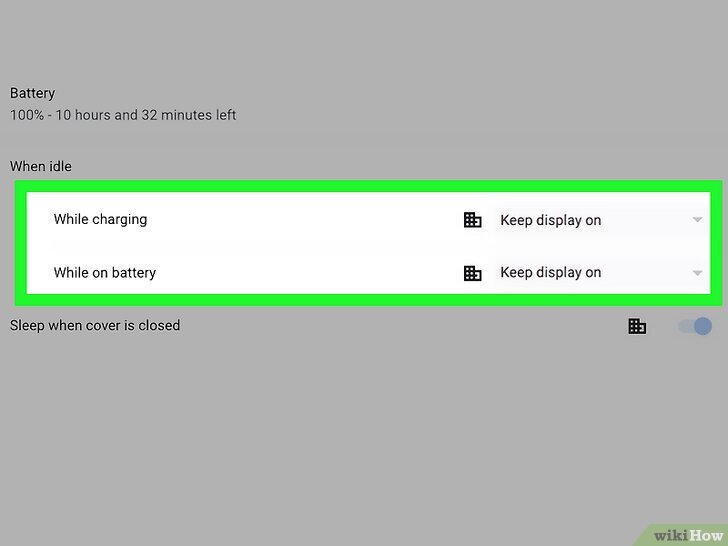
- Check Power Settings: Ensure your Chromebook isn't set to stay awake indefinitely when idle.
- Inspect Apps & Extensions: Recently installed or buggy software can interfere.
- Use the Diagnostics App: Chrome OS has a built-in tool to check hardware health (battery, CPU, memory).
- Verify Charger & Port: A faulty charger or dirty port can cause power-related confusion.
- Consider a Powerwash: As a last resort, resetting to factory settings often resolves deep-seated software issues.
Beyond the Button: Understanding Your Chromebook's "Off" Switch
Chromebooks are fantastic for their speed and security, but like any computer, they can encounter hiccups. When your Chromebook doesn't want to shut down, it’s usually an indication of a software conflict, a background process misbehaving, or, less commonly, a hardware issue. The key is knowing how to systematically identify and address the root cause.
Before diving into complex fixes, it’s helpful to understand the tools at your disposal. A relatively new and incredibly useful feature is the Diagnostics app. Think of it as your Chromebook's internal health monitor.
The Diagnostics App: Your Chromebook's Health Checkup
The Diagnostics app provides crucial insights into your Chromebook’s vital statistics, which can be invaluable when troubleshooting power and performance issues.
How to Use It:
- Open the Launcher (the circle icon in the bottom-left corner).
- Search for "diagnostics."
- Select the heart monitor icon that appears.
What You'll Find:
- Model/Motherboard Information: Helps identify your specific device for support.
- Battery Health & Cycle Count: Crucial for understanding if an aging battery is causing abrupt shutdowns or charging issues.
- CPU Usage, Speed, & Temperature: High CPU usage or temperatures can lead to sluggish performance and prevent proper shutdowns, or even trigger automatic shutdowns to prevent damage.
- Memory Usage: Too much memory consumption can slow everything down, including the shutdown process.
You can run specific tests within the app (they might take 2-20 minutes) and even save a session log if you need to share data with support. This app is often your first stop for deeper investigation beyond a simple restart.
When "Power Off" Isn't Enough: Common Shutdown Scenarios and Solutions
Let's break down the typical ways a Chromebook can misbehave when you try to turn it off, and what you can do about each.
1. The Reluctant Shutdown: Your Chromebook Runs Slowly or Won't Respond
This is perhaps the most common scenario: you try to shut down, but your Chromebook is either incredibly sluggish or completely unresponsive. This usually points to software issues.
- The Classic Restart: Sometimes, the simplest solution is the best. If your Chromebook is just being a bit stubborn, a hard restart can clear its memory and resolve temporary glitches.
- Action: Hold down the Power button until the "Power off" option appears (or until the screen goes black if it's completely frozen). Choose "Power off," then press the Power button again to turn it back on.
- Check for System Updates: An outdated Chrome OS can be unstable and lead to performance issues that prevent a clean shutdown. Updates often include critical bug fixes and performance enhancements.
- Action: Click on the System clock in the bottom-right corner, then the Gear icon (Settings). Go to About Chrome OS and select Check for updates. If an update is available, install it and restart your Chromebook.
2. The Unexpected Reboot: Your Chromebook Restarts Instead of Shutting Down
If your Chromebook consistently reboots when you intend to shut it down, it's a strong indicator of an underlying operating system problem or even hardware issues confusing the system.
- Hard Reset (Hardware Reset): This isn't a factory reset; it simply resets your Chromebook's hardware components like the keyboard and camera, without deleting your data. It can resolve minor hardware-software communication issues.
- Action: This varies slightly by model, but a common method is to turn off the Chromebook, then press and hold the Refresh button (looks like a circular arrow) and tap the Power button. Release the Refresh button once the Chromebook starts to boot.
- The OS is Corrupted: Recovery Time: If a hard reset doesn't work, or if you're seeing messages like "'Chrome OS is missing or damaged'," your operating system itself might be corrupted. This requires reinstalling Chrome OS.
- What You'll Need: A separate computer with the Chrome browser and an 8GB or larger SD/USB drive.
- Process:
- Install and launch the Chrome OS Recovery Utility extension in your Chrome browser.
- Click "Get started."
- Enter your Chromebook's model number or select it from the list.
- Click "Continue."
- Select your recovery media type (SD card or USB drive) and click "Continue."
- Choose "Create now" to prepare the recovery drive.
- To Use the Recovery Drive: Follow the on-screen instructions when your Chromebook displays the "Chrome OS is missing or damaged" message. Insert the prepared recovery drive, and the system will guide you through the reinstallation.
- Erase Recovery Media (After Use): To reuse your drive, open the Recovery Utility, click the Gear icon > Erase recovery media, select your storage device, "Continue," verify, and click "Erase now."
3. The Black Screen Saga: Your Chromebook Goes Dark But Doesn't Fully Turn Off
Sometimes, your Chromebook screen goes black, but you can still hear fan noise, or indicator lights remain on, suggesting it hasn't completely powered down. Or, it won't turn on at all after a shutdown attempt.
- Basic Checks:
- Is the battery truly dead? Plug it in and give it 30 minutes.
- Is it simply crashed? Try a hard reset (see above).
- Is the screen brightness at minimum? Increase it.
- Hard Reset: This is often the go-to for black screen issues. (See instructions above: Turn off, hold Refresh, tap Power, release Refresh).
- Servicing: If your Chromebook shows signs of life (noise, lights) but nothing appears on screen after repeated hard resets, it might require professional service. Check your warranty.
4. The Power Drain: Your Chromebook Won’t Turn On or Charge After Shutdown
This scenario is less about how it turns off and more about its state after attempting to shut down. If it won't power back on or charge, the issue is directly related to its power management.
- Allow Charging Time: If the battery was completely drained, it needs at least 30 minutes on charge before it can even attempt to boot up.
- Try a Different Outlet/Circuit: A faulty outlet or an overloaded circuit can prevent proper charging. Try another room or unplug other heavy-draw appliances on the same circuit.
- Inspect Your Charger: Carefully examine the charger for any visible damage—frayed wires, bent pins, or a loose connector. A faulty charger is a common culprit. If you have access, try a different, compatible charger.
- Hard Reset: Again, a hard reset can sometimes resolve power management glitches. (Instructions above: Turn off, hold Refresh, tap Power, release Refresh).
- Battery Removal (Advanced/Specific Models): For some older models, temporarily removing the battery (if it's accessible) can help. This is an advanced step and requires caution due to explosion risk. If you're unsure, seek professional help.
- Action: Unplug the adapter, remove the battery, press the Power button for 30 seconds to discharge residual power, replace the battery, plug in the adapter, and wait 30 minutes before trying to turn it on.
Deeper Dives: Addressing Persistent Shutdown Challenges
Sometimes, the problem isn't obvious. Deeper issues like app conflicts, system overload, or hidden settings can prevent your Chromebook from shutting down properly.
5. System Overload & Performance Hurdles
A sluggish Chromebook often struggles to perform basic functions, including a clean shutdown.
- Close Unnecessary Tabs and Apps: Too many open browser tabs or running apps can hog memory and CPU, causing slowdowns.
- Use the Task Manager: Just like a traditional computer, Chrome OS has a task manager to identify resource-intensive processes.
- Action: Press Search + Esc (or Shift + Esc). In the Task Manager, you'll see a list of running processes. Look for anything consuming an unusually high amount of memory or CPU. Select the offending entry (avoid "system" entries unless you know what you're doing) and click "End process." This can free up resources immediately.
6. Software Glitches: Apps, Extensions, & Updates Gone Rogue
Third-party software can sometimes interfere with core system functions, including shutdown.
- Check Recently Installed Apps/Extensions: If the shutdown issue started after installing a new app or Chrome extension, that's your prime suspect.
- Remove an App: Click the Launcher button > Up arrow to see all apps. Right-click the problematic app and select "Uninstall" or "Remove from Chrome."
- Disable/Remove an Extension: Open the Chrome browser, click the three-dot icon > More tools > Extensions. You can toggle extensions off to disable them temporarily or click "Remove" to delete them entirely.
- Review Chrome Flags: "Chrome Flags" are experimental features that can sometimes cause instability. If you've recently enabled any, try disabling them.
- Action: Type
chrome://flagsinto your browser's address bar. Look for any flags you've enabled and switch them back to "Default" or "Disabled." Restart your Chromebook afterward.
7. Hardware Hiccups: Beyond the Software
Even with robust software, physical components can wear out or become faulty, leading to shutdown problems.
- Battery Health: An old, degraded battery might abruptly shut down your Chromebook or prevent it from turning off correctly, especially if it's struggling to manage power. The Diagnostics app (as discussed earlier) is your first stop here.
- Action: If Diagnostics shows poor battery health and you experience abrupt shutdowns, consider replacing the battery. This is best done by a local repair shop or experienced DIYers, as it involves internal components and potential risks.
- Thermals (Overheating): An overheating CPU can cause your Chromebook to slow down, crash, or even shut itself off as a protective measure. Dust buildup in fans or old thermal paste can be culprits.
- Action: Check CPU temperature in the Diagnostics app (Settings > About ChromeOS > Diagnostics > CPU). Ideal idle temperature is around 40°C, with a maximum of 90°C under load. If temperatures are consistently high and the device lags, it likely needs professional cleaning or thermal paste replacement.
- Charging Port Debris: A dirty charging port can lead to intermittent charging, which can confuse the power management system.
- Action: Gently inspect the charging port for lint, dust, or other debris. Use a non-conductive tool like a wooden toothpick or plastic spudger (or compressed air) to carefully clear it out. Avoid metal objects.
The Nuclear Options: When All Else Fails
If you’ve tried everything above and your Chromebook still refuses to shut down reliably, it’s time for more drastic measures.
8. Powerwash: A Fresh Start
A Powerwash is a factory reset that returns your Chromebook to its out-of-the-box state. It will delete all local data, so ensure your important files are backed up to Google Drive or another cloud service. This is often the most effective solution for persistent software issues.
- Action:
- Sign out of your Chromebook.
- Press Ctrl + Alt + Shift + R.
- Select Restart.
- In the dialog box, choose Powerwash and then Continue.
- Follow the on-screen steps. After the Powerwash, you'll need to re-link your Google account and re-download any apps.
9. Get Professional Help
If even a Powerwash and Recovery fail to resolve your shutdown issues, it’s time to call in the experts.
- Warranty Check: If your Chromebook is still under warranty, contact the manufacturer. They might offer free repair or even a replacement.
- Repair Shop: Take your device to a reputable local computer repair shop. They can diagnose hardware failures that are beyond typical user troubleshooting, such as motherboard issues.
Proactive Maintenance: Keeping Your Chromebook Healthy and Happy
Preventing shutdown problems is always better than fixing them. A little routine maintenance can go a long way.
- Regular Updates: Always keep your Chrome OS updated to the latest version. These updates often include performance improvements, security patches, and bug fixes that can prevent issues from arising.
- Manage Your Tabs & Apps: Don't let your browser accumulate dozens of tabs, especially if they're resource-heavy. Close apps you're not actively using.
- Review Extensions: Periodically check your Chrome extensions and remove any you don't use or that seem to be causing issues.
- Clean Your Device: Keep your Chromebook physically clean, especially vents and ports, to prevent dust buildup that can lead to overheating.
- Understand Power Modes: If you're encountering issues, it might be worth reviewing how to turn off your Chromebook correctly, ensuring you're not just closing the lid but initiating a proper shutdown when needed. While closing the lid puts it to sleep, a full shutdown is crucial for system refreshes.
- Monitor Battery Health: Use the Diagnostics app regularly to keep an eye on your battery's health. Early detection of a failing battery can prevent unexpected shutdowns.
Empowering Your Chromebook Journey
Dealing with a Chromebook that won't shut down can be a pain, but remember that most problems have straightforward solutions. By methodically working through the troubleshooting steps outlined here – from a simple restart and checking the Diagnostics app to managing your software and, if necessary, performing a Powerwash – you can identify and fix the issue.
Your Chromebook is designed for reliability and ease of use. With a bit of informed action, you can quickly get back to enjoying that seamless experience, knowing you've mastered the art of troubleshooting its shutdown woes.